




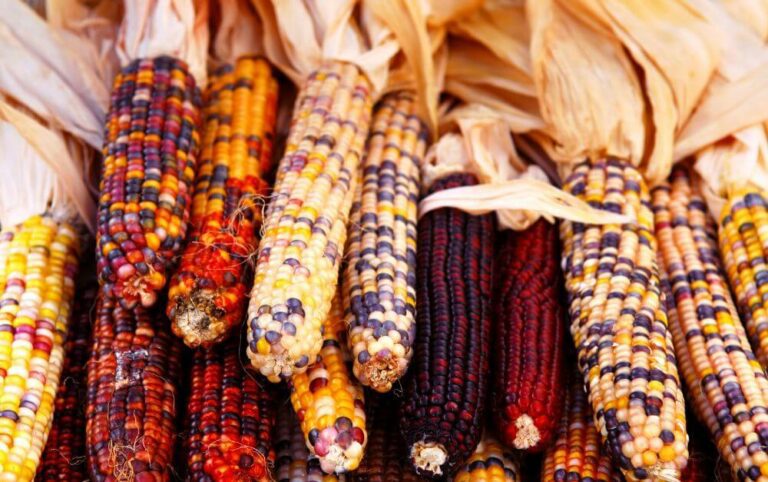
On April 1, 2024, Mexico was set to follow through with its 2020 commitment to ban the toxic herbicide glyphosate (the active ingredient in Bayer’s Roundup in the USA and Faena in Mexico) by 2024. When the plan to phase out glyphosate and genetically engineered (GE) corn was originally laid out, Mexico’s government cited the purpose of the new policies as “contributing to food sovereignty and security” and the health of the Mexican people, as well as protecting native corn from contamination by GE pollen. Glyphosate is a pervasive herbicide frequently used on corn and other commodity crops, and genetically engineered corn is often modified to—among other things—be resistant to glyphosate.







 Join PAN to receive the latest news and alerts straight to your inbox.