
PAN Chat: The Principles of Agroecology with Rob Faux
Join Rob Faux, PAN Communications Manager and steward of Genuine Faux Farm in Iowa, as he discusses how he employs the principles





Join Rob Faux, PAN Communications Manager and steward of Genuine Faux Farm in Iowa, as he discusses how he employs the principles
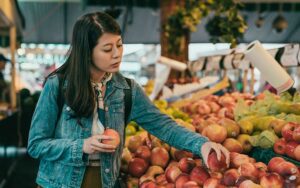
An all-but-inevitable byproduct of living in an industrialized, technologically advanced society is that most people will default to eating a diet that
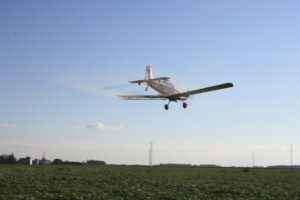
You just had a pesticide drift incident, now what? Knowing more about your options can make a difference if you experience pesticide
Corporations are gaining increasing influence at the UN Food and Agriculture Organization (FAO), at the expense of states, small scale food producers,

Recordings of PAN’s two-part webinar introducing our new report, Pesticides and Climate Change: A Vicious Cycle. This report is the first-ever, in-depth
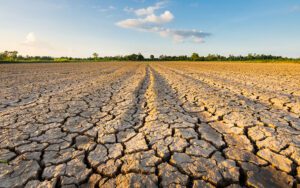
Scientific evidence indicates that pesticides contribute significantly to greenhouse gas emissions while also making our agricultural systems more vulnerable to the effects
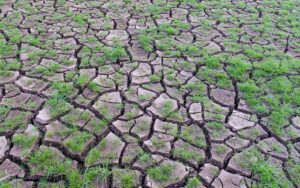
Climate change is one of the greatest challenges facing humanity today. Scientific evidence indicates that pesticides contribute significantly to greenhouse gas emissions
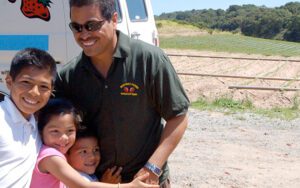
Too often, farmers find themselves trapped on a pesticide treadmill — and farmers, workers and families in rural communities find themselves on
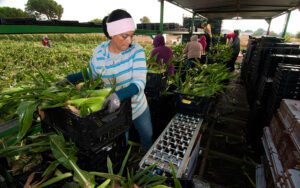
Farmworkers are regularly exposed to pesticides in many ways. They can breathe in or absorb harmful chemicals through their skin while they