Global Action to Ban Lindane


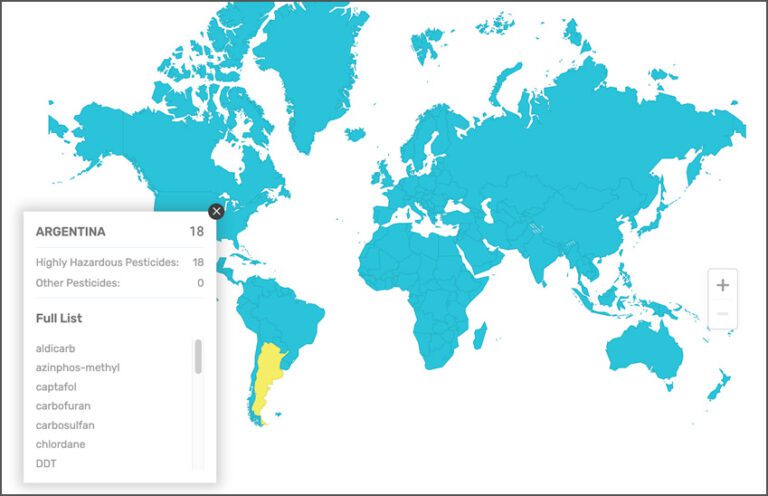
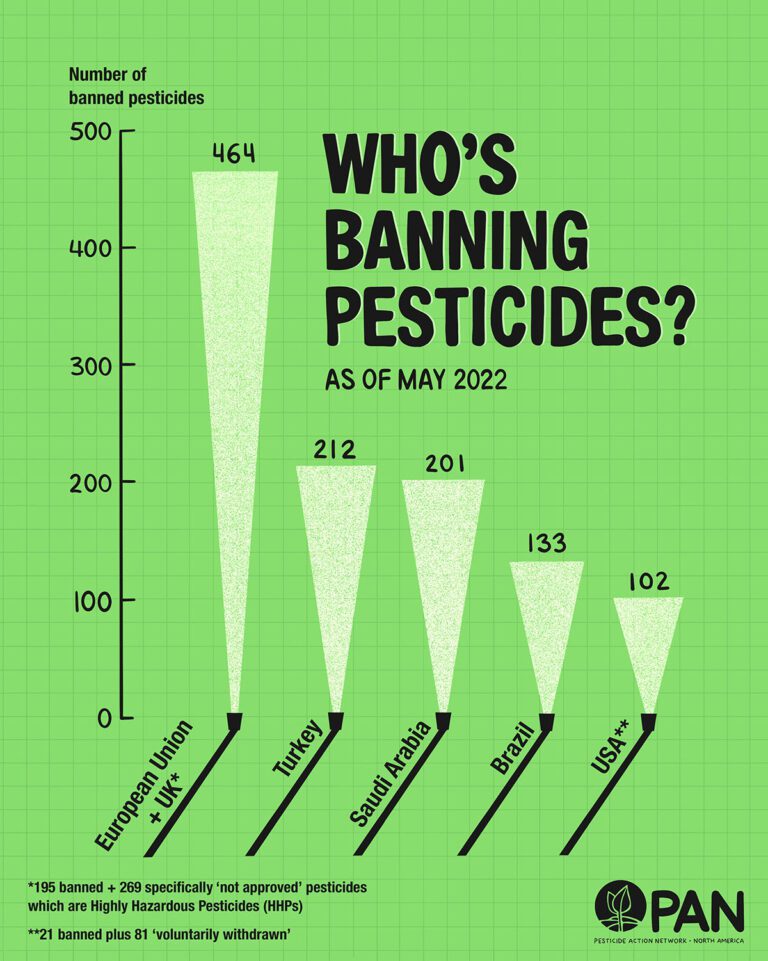
Banned in at least 52 countries and severely restricted in more than 33 others, the insect-killing chemical lindane is long overdue to be phased out in every country of the world.

In May 2009, the international community added lindane to the Stockholm Convention list of persistent organic pollutants (POPs) targeted for global elimination. At this fourth meeting of the Stockholm Convention, PAN North America and opponents of lindane won a huge victory when all agricultural uses of lindane and the production of lindane were banned. An exemption to the ban for pharmaceutical uses of lindane was granted, but is set to expire in 2014. A broad coalition—including the governments from the European Union to Mexico and the United States, Arctic Indigenous groups, and NGOs—supported listing lindane without the exemption. Among opponents of the exemption there is a concern that the five-year continuation of pharmaceutical uses will provide makers of lindane with an outlet for using-up existing stockpiles in pharmaceutical products rather than implementing safer measures of disposal. PAN North America and partners are encouraging nations to choose not to exercise the exemption.

Lindane is also listed under the Rotterdam Convention on Prior informed Consent (PIC Treaty), and it is targeted under the regional treaty on Long Range Transport Air Pollutants (LRTAP).

In North America, lindane was the focus of a North American Regional Action Plan developed by the governments of Canada, Mexico and the U.S. under the Commission on Environmental Cooperation (CEC). The Action Plan, which was finalized in November 2006, was developed by a trinational Lindane Task Force, with representatives from all three governments, industry, academics, indigenous communities and environmental health groups. Mexico agreed to phase out all uses under the plan, and the U.S. withdrew agricultural uses. Pharmaceutical use continues in the U.S. and Canada, with all countries making a commitment under the Action Plan to focus on developing and promoting safer alternatives for these remaining uses.

The Task Force was working under the CEC's Sound Management of Chemicals working group, which has also commissioned Action Plans for chlordane, DDT, mercury and dioxins. Lindane was the first chemical targeted which was still registered for use in all three North American countries.


Activists from Mexico, Canada and the U.S. served a "lindane lunch" to government representatives. Lindane contaminates traditional foods from the Arctic and common foods such as cookies and nuts.

Back to top