


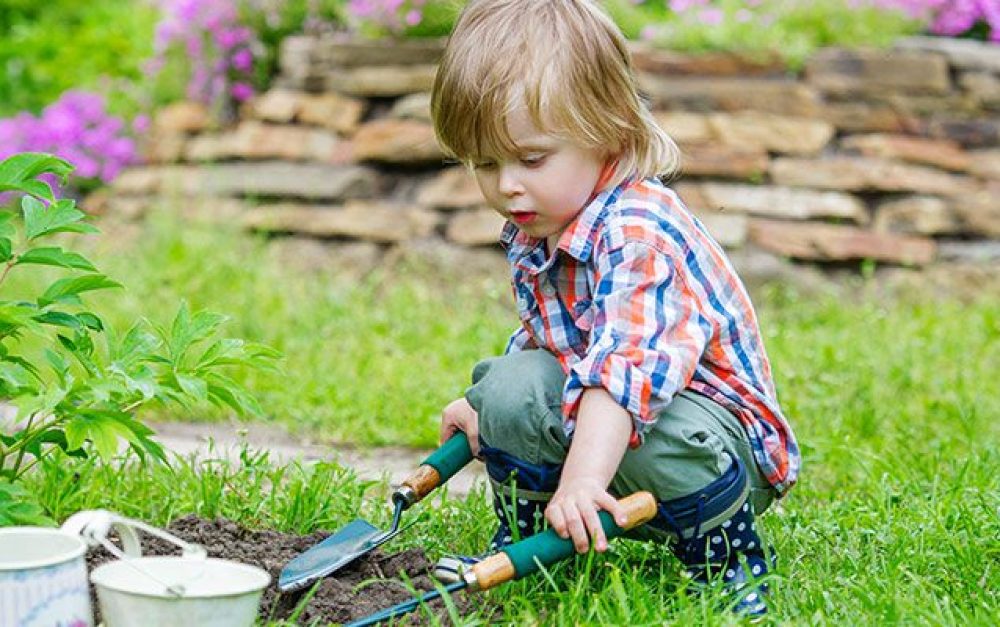
Every year, U.S. homeowners apply an estimated 80 million pounds of synthetic pesticides to their lawns. This “cosmetic” use provides pesticide corporations their fastest sales growth. It also presents growing environmental and health dangers, especially for children and pets.
A Chemical Reaction is a moving documentary tracing the rise of the natural lawn care movement in Canada and the U.S., and the success Canadians — and a few U.S. communities — have had in reducing and eliminating cosmetic pesticide use. Our friends at Northwest Center for Alternatives to Pesticides have in-depth information on how to manage your garden and yard without the use of harmful chemicals. See their tips for weeds, lawns and landscaping for more details.
Healthy gardening & lawn care
Many gardeners are happily raising vegetables, flowers and creating sustainable landscapes without hazardous pesticides — and the organic lawn movement is taking hold as well.
For additional resources on non-toxic lawn management, take a look at these great tips and tools from Beyond Pesticides:
Create a Honey Bee Haven
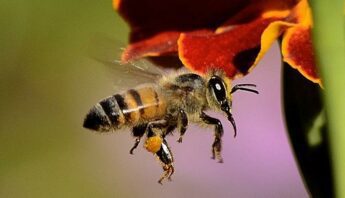
Using pesticides in your garden can also harm beneficial insects. Across the country, people are stepping up to protect bees and other pollinators in their yards.
To take the pledge and learn more about creating a pesticide-free haven in your backyard, visit www.honeybeehaven.org.
In addition to keeping your garden free of bee-harming pesticides like neonicotinoids, pollinators will appreciate a few of their favorite plants to provide food and forage. Even in the city, a container on a balcony or front stoop can make a big difference to the growing number of urban bees and their beekeepers.
Want to protect pollinators in your community and beyond? Join PAN’s campaign in support of bee-friendly policies across the country.
Say “No” to RoundUp
The international scientific community recently sent us a very loud wake-up call about the ubiquitous herbicide, RoundUp.
First, the UN World Health Organization’s prestigious International Agency for Research on Cancer announced their consensus decision that glyphosate, the active ingredient in RoundUp, is a “probable carcinogen.”
In addition to this, there’s a growing body of evidence on other health impacts associated with exposure to RoundUp, such as endocrine disruption, organ damage and birth defects.
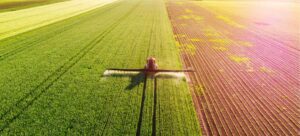
While the biggest use of RoundUp in the U.S. is in agricultural fields with Monsanto’s “RoundUp Ready” genetically engineered crops — applied on about 360 million acres in 2011 — this herbicide is also commonly used on non-GE crops and in home gardens, too.
Want to keep your lawn weed-free? Check out the following resources for tips on how to maintain your yard without using health-harming chemicals: