Take pesticides off Mom's worry list

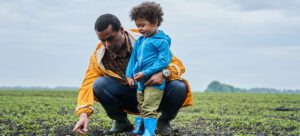
Take pesticides off Mom's worry list

Support PAN's work to protect kids, families and communities from pesticide harms. Help ease this worry for moms everywhere. Donate today »

EPA, step up for bees!

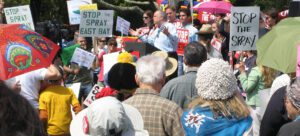
EPA, step up for bees!

The European Union just voted to stop using bee-harming pesticides. Tell EPA it's time to follow the science and protect bees.
Take Action»

Debunking GE myths

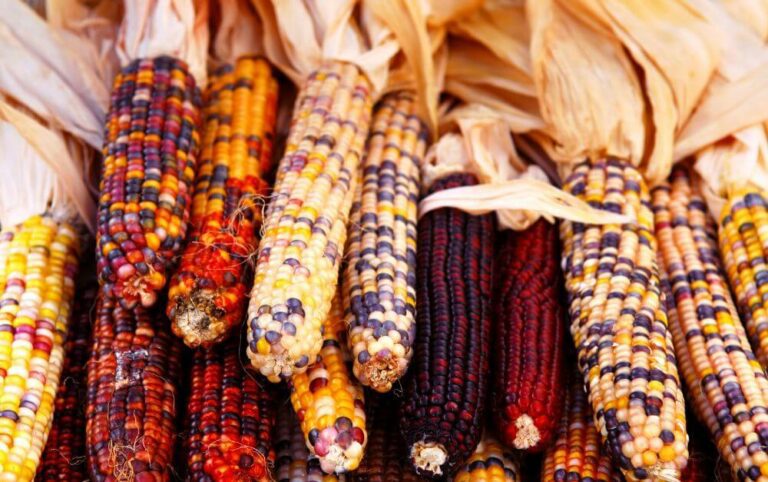
Debunking GE myths

Dr. Marcia Ishii-Eiteman separates science from myth about genetically engineered crops. Read More »

What's on your food?

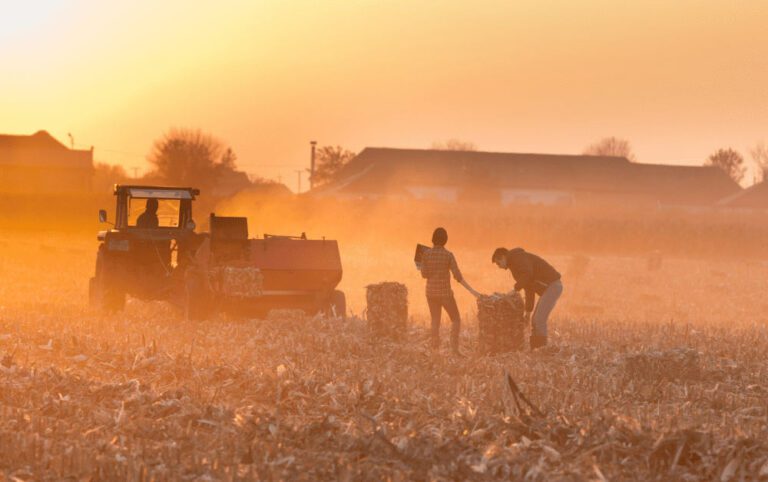
What's on your food?

The science is in — pesticide residues are on our food, even after washing. Which foods and how much? Our iPhone app puts these answers at your fingertips.
Download it for free»

Pesticide Action Network's picture

Last week, countries gathered in Japan hammered out a global agreement to hold corporations liable for genetically modified (GM) organism pollution of ecosystems.

According to the The Mainichi Daily News, a "biosafety protocol" was adopted to set "redress rules for damage caused to ecosystems by the movements of genetically modified crops."The move came at the end of the fifth meeting on the Cartagena Protocol on Biosafety, kicking off international talks on the Convention on Biological Diversity. The new rules, which bolster mechanisms to hold agricultural biotech corporations like Monsanto liable, will be opened for ratification next spring.

Marcia Ishii-Eiteman's picture

I’m writing from warm, sunny New Orleans, where 900 food justice activists attending the Community Food Security Coalition conference have just wrapped up five days of workshops, conversations and field trips to the region’s innovative and indomitable farmers, fisherfolk, urban gardeners, food workers and local organizers. These brave souls are—against all odds—reinventing healthy and sustainble food systems in their communities.

Kristin Schafer's picture

Every October, The Breast Cancer Fund updates State of the Evidence. The report examines the latest on what scientists know about the links between chemicals in the environment and breast cancer. The 2010 edition is chock full of information on how pesticides and other chemicals (in food packaging, cosmetics, health care products, household cleaners and more) are contributing to our breast cancer epidemic.

Pesticide Action Network's picture

With national climate policy stalled in the Senate, hopes for policy progress rest on local, state and regional initiatives, like California's Global Warming Solutions Act (AB32). AB 32 is important because the state is looked to as a leading indicator of how progressive policy battles will play out, and because California's renewable energy economy is among the biggest.Adopted in 2006, AB 32 requires the state to come up with a plan for reducing greenhouse gas emissions to 1990 levels by 2020. That plan is due to come into effect in 2011 and the oil and gas industry is on trying to stop it with Proposition 23, spending millions of dollars to a campaign to indefinitely delay climate policy passed by California voters.

Karl Tupper's picture

It's been a real nail-biter, but at about 5 pm today, the committee decided to recommend a global ban on endosulfan! As predicted, India would not agree, so the committee was forced to a vote. In the end, there were 24 votes for a ban, 5 abstentions, and no votes against.