



A new, national report shows that organophosphate pesticides (OPs) threaten the health of aquatic wildlife, notably orca and salmon. Researchers at the National Marine Fisheries Service (NMFS) evaluated malathion, diazinon and the controversial pesticide chlorpyrifos.
Chlorpyrifos was slated for a national ban at the Environmental Protection Agency (EPA) last spring, due to known health harms to children and farmworkers. Administrator Scott Pruitt reversed course on the decision after a meeting with Dow Chemical, leaving the dangerous insecticide on the market.
Not just bad for children’s brains
The NMFS study found that dozens of threatened or endangered species — and their critical habitats — were in jeopardy. The report focused on species listed under the Endangered Species Act that the Environmental Protection Agency had previously flagged as potentially at risk from pesticide exposure.
Both chlorpyrifos and malathion were found to be especially damaging. The study found both chemicals “likely to jeopardize the continued existence of 38 of the 77 listed species” and negatively impacting “37 of the 50 designated critical habitats” where those species live.
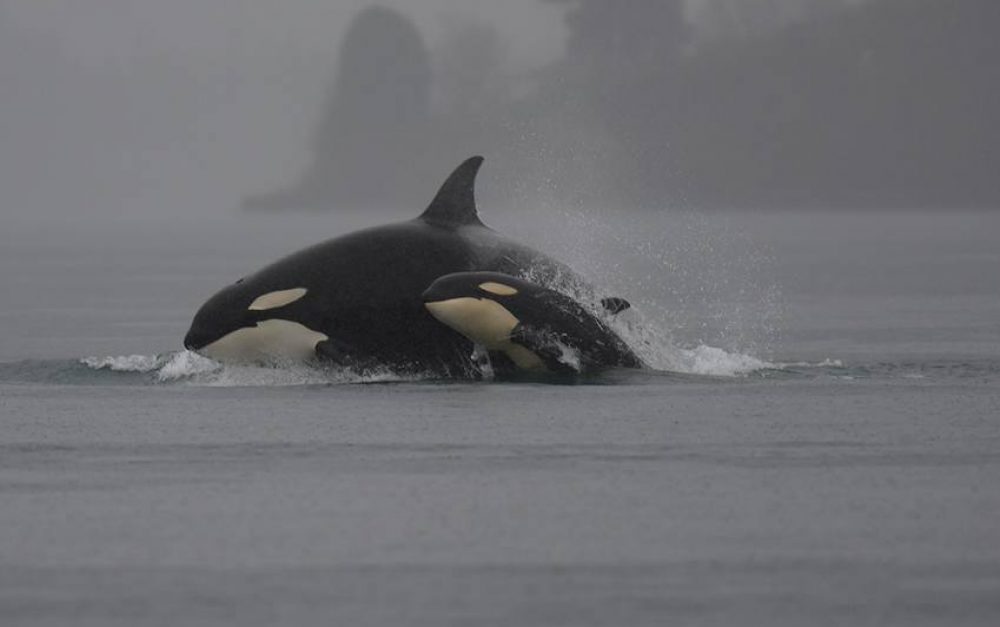
Salmon species and killer whales, or orcas, were found to be threatened by all three OPs.
Broad impacts of salmon loss
Salmon are threatened by a number of environmental factors, such as climate change, habitat loss and pesticide runoff. The fish are also culturally significant to Pacific Northwest tribes and represent a significant piece of the ecosystem — and of the Northwest fishing industry.
Orcas are at risk because they depend on salmon as a food source. And the wild salmon population in the Pacific Northwest is currently estimated at five or six percent of historic levels, according to the Executive Director of the Save Our Wild Salmon Coalition.
The NMFS was asked to issue this report under a court ordered deadline from a lawsuit brought by Earthjustice, the Northwest Center for Alternatives to Pesticides, Pacific Coast Federation of Fishermen’s Associations and the Institute for Fisheries Resources.
Photo: Mike Charest | Flickr