Food & Agriculture

Share this

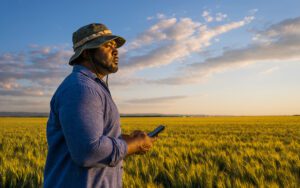
Food and agriculture sit at the intersection of every one of today's most pressing global challenges. Climate and water, world hunger, economic and financial stability, biodiversity and environmental health all pivot one very pragmatic question: "How to feed people while stewarding the natural resource base on which we — as well as future generations — all depend for survival?"

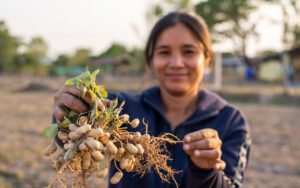
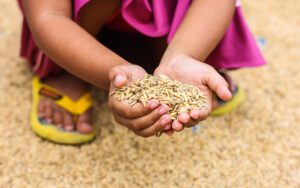
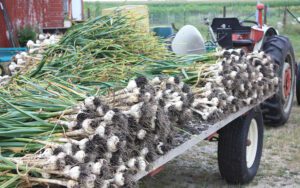
Industrial agriculture uses over 70% of the world's fresh water resources, is the leading driver of biodiversity loss and contributes more than 30% of climate-changing greenhouse gases — all while feeding fewer than one third of the earth's population. Peasants, urban gardeners and hunter-gatherers feed the rest.

food-ag-agriculture3.png
food-ag-food-democracy2.png
food-ag-pest-food3.png
food-ag-feed-world4.png

Related Actions

Related Publications

bees-state-science.jpg
Honey Bees and Pesticides: State of the Science, a 22-page report on the factors behind colony collapse disorder (CCD) with a sustained focus on the particular role of pesticides.     Download as PDF » Read more
publications-voices-south.jpg
Led by Zambia and India, more and more countries in the Global South are spurning genetically modified (GM) food aid, and questioning the wisdom of a corporate-controlled food system. Even when facing widespread famine, Zambia refused genetically contaminated food aid from the U.S., after a review by its scientists showed insufficient evidence to demonstrate the safety of GM foods. View as PDF »   Read more
publications-scientists-support-farmers.jpg
PAN summarizes the key findings from Agriculture at a Crossroads, the landmark UN report from the International Assessment of Agricultural Knowledge, Science and Technology for Development (IAASTD). More than 400 scientists examined the successes and shortcomings of the world’s food and agricultural systems, and evaluated the impact that public agencies, agricultural research institutions and the private sector have on the well-being of farmers, farmworkers and rural communities. View... Read more
publications-hooked-poision.jpg
Each year, more than 200 million pounds of pesticides are used in California. They are applied in schools, in and around our homes, on roadsides, and on farmland. Picked up by winds and water, these chemicals spread to nearly every corner of the state and are commonly found in the food we eat, the water we drink, and the air we breathe. View as PDF »   Read more
publications-mag-fall09.jpg
In this issue of the PAN Magazine you’ll find science, analysis and stories at the nexus of agriculture, pesticides and climate change. We detail the links between farming systems and climate, and the impacts climate change will have on global toxics. The good news is that ecological agriculture and food sovereignty—solutions PAN and our partners have been promoting for decades as the antidote to pesticide and corporate dependence—can both feed the world and cool the planet... Read more