




Environmental health and farm worker groups unite to demand ban of dangerous pesticide
FOR IMMEDIATE RELEASE: Feb 18, 2008
CONTACT: Steve Scholl-Buckwald, Pesticide Action Network North America, 415-981-1771, cell 415-203-4455; steveatpan@panna.org or media@panna.org
Tomorrow, Feb. 19, a petition signed by more than 13,000 people will be sent to the U.S. Environmental Protection Agency (EPA) demanding a phase-out of the outdated and toxic pesticide endosulfan. EPA had invited public comment on its review of the risks of this pesticide.
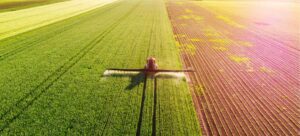
Used in the U.S. on tomatoes, cotton and other crops, endosulfan harms the hormone system, and low levels of exposure in the womb have been linked to autism, male reproductive harm and other birth defects. Acute poisoning can cause headaches, nausea, vomiting, convulsions, and in extreme cases, unconsciousness and even death.
“Endosulfan poses substantial risks and should be off the market,” said Karl Tupper, scientist at Pesticide Action Network. “Any perceived economic benefits are far outweighed by the dangers this old chemical poses to the health of farmworkers, pesticide applicators, consumers, and the environment.” In November, EPA released its own calculations showing that even with the best available technology and personal protective equipment, farmers and workers applying endosulfan are exposed to unacceptably high levels.
Pam Miller, director of Alaska Community Action on Toxics, notes that, “Because it persists in the environment, is transported long distances northward on air and ocean currents, and accumulates up the food chain, endosulfan threatens the health of Indigenous peoples in the Arctic region.”
Bayer Agrochemical, one of the largest producers of endosulfan worldwide, recently failed to renew its registration of endosulfan products in the U.S., but other companies continue to market the pesticide here. The chemical has been nominated for inclusion in the Stockholm Convention, an international treaty that bans persistent chemicals from global use.
“The European Union and more than 20 other countries have banned endosulfan due to farmworker deaths and serious health damage to communities from exposure to this pesticide. It is time for EPA to take the health of communities seriously and get this dangerous chemical out of U.S. agriculture,” said Medha Chandra, International Campaigner at Pesticide Action Network.
EPA removed endosulfan from home and garden use in 2000. Activists from Beyond Pesticides, Farmworker Association of Florida, Organic Consumers Association, Pesticide Education Project (North Carolina), United Farm Workers and other groups have joined Pesticide Action Network and Alaska Community Action on Toxics to pressure EPA to finally withdraw all remaining uses of the product.
###
For a copy of PAN’s Feb. 19, 2008 technical comment letter to EPA:
Contact Karl Tupper, 510-289-4329, karl@panna.org or Steve Scholl-Buckwald, 415-203-4455, steveatpan@panna.org
Available for interviews
- Karl Tupper, Scientist, Pesticide Action Network North America, 510-289-4329, karl@panna.org
- Medha Chandra, International Campaigner, Pesticide Action Network North America, 415-981-1771, mchandra@panna.org
- Pam Miller, Alaska Community Action in Toxics, 907-222-7714, pkmiller@akaction.org.
Resources
- Federal Register Notice, “Endosulfan Updated Risk Assessment,” Nov. 2007, http://www.panna.org/files/EPA-HQ-OPP-2002-0262-0067.pdf
- Endosulfan resource page, includes copy of petition with more than 13,000 signatures: http://www.panna.org/campaigns/endosulfan
- “Pesticide link to autism suspected,” The Los Angeles Times Reports, 07/30/2007, http://www.panna.org/files/laTimesPesticideLinkToAutismSuspected20070730.pdf
- PAN International Position Paper on Endosulfan, http://panap.net/48.0.html?&no_cache=1&tx_ttnews%5Btt_news%5D=18&tx_ttnews%5BbackPid%5D=154&cHash=4922e68d86