
Frontline Communities

Share this

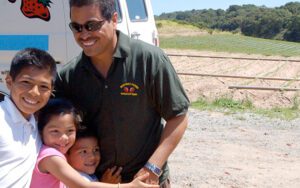
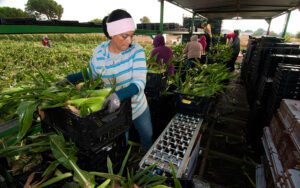
Farm Communities at Risk Certain communities face especially high risks from pesticide exposure — either because they are more susceptible to chemical harms or because they live their lives on the frontlines.

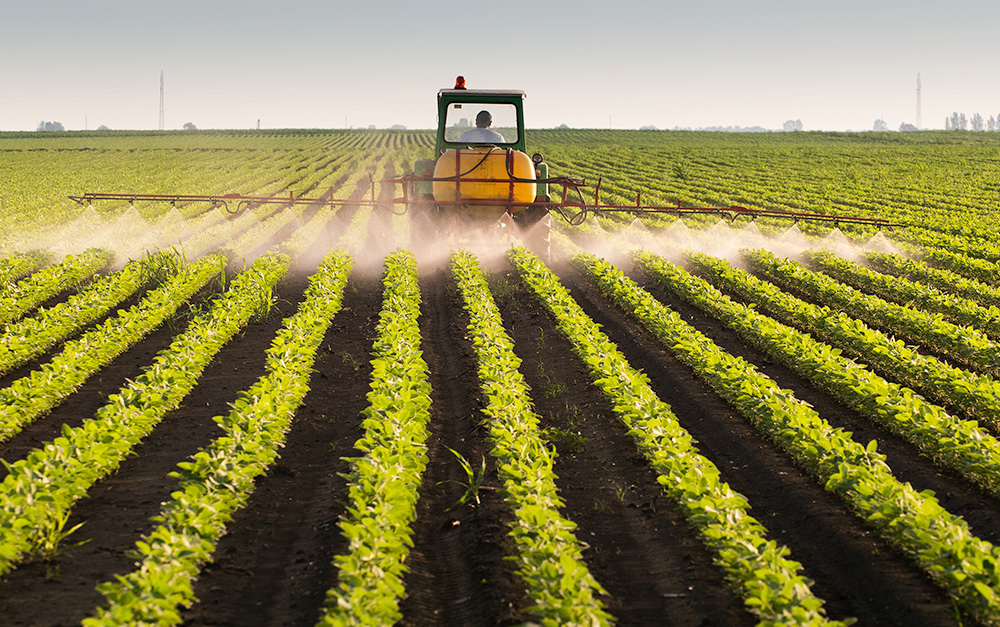
Every day, farmers, farmworkers and their families, rural communities, and children bear disproportionate risks from pesticide exposure. Factories where pesticides are produced and disposal sites where they are buried endanger workers and nearby communities. In the U.S. and around the world, these communities are working together to press for safer solutions.

Frontline Farmworkers button3
frontline rural families3
frontline_production3.png
Frontline schools3

Related Actions

Related Publications

publications-secondhand-pesticides.jpg
Analysis of pesticide drift reveals that several widely used pesticides are regularly found far from where they are applied, at levels that significantly exceed exposure levels deemed “safe” by regulatory agencies. Virtually everywhere pesticides are used, they drift away from their intended target and can persist for days and even months after application. These “second-hand pesticides,” like secondhand cigarette smoke, can cause serious adverse health effects and are... Read more
publications-poison-wind.jpg
In the spring of 2006, farm worker community members tested the air at two different locations in the Yakima Valley with the assistance of the Farm Worker Pesticide Project (FWPP) and Pesticide Action Network (PAN). We tested for dangerous levels of chlorpyrifos, the key ingredient in the insecticide Lorsban, which is widely used in apple, cherry and pear orchards. View as PDF »   Read more
publications-field-poision-2002.jpg
Fields of Poison, a joint report by United Farm Workers, PAN and the California Legal Rural Assistance Foundation, reveals that weak enforcement of pesticide-related worker health and safety laws remains a serious problem in California. The report analyzes the state's pesticide poisoning data and finds that pesticide safety laws fail to protect many of the state’s 700,000 farmworkers from poisonings even when the laws are apparently followed. View as PDF »   Read more
publications-biodrift-profiles.jpg
These profiles tell the stories of people living near agricultural fields who are concerned about their health and the health of their families, especially during spraying season. Because of this concern, they tested both their own bodies and the air surrounding their homes and schools for chlorpyrifos, a pesticide known to cause health problems that is used on the orange groves nearby.   Read more