



Take pesticides off Mom's worry list

Take pesticides off Mom's worry list

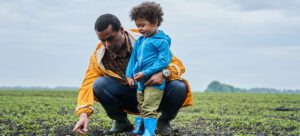
Support PAN's work to protect kids, families and communities from pesticide harms. Help ease this worry for moms everywhere. Donate today »

EPA, step up for bees!

EPA, step up for bees!

The European Union just voted to stop using bee-harming pesticides. Tell EPA it's time to follow the science and protect bees.
Take Action»

Debunking GE myths

Debunking GE myths

Dr. Marcia Ishii-Eiteman separates science from myth about genetically engineered crops. Read More »

What's on your food?

What's on your food?

The science is in — pesticide residues are on our food, even after washing. Which foods and how much? Our iPhone app puts these answers at your fingertips.
Download it for free»

Pesticide Action Network's picture

Dupont's new systemic herbicides, designed to keep turf grass free of troublesome weeds, seem to pose little direct danger to human health. But it turns out they do kill trees.

After receiving more than 7,000 reports of damaged or killed trees in states throughout the midwest, last week EPA ordered Dupont to immediately "halt the sale, use or distribution" of the company's herbicide Imprelis.

Chloe Schwabe's picture

In early June, I had the incredible opportunity to represent PAN at the 25th anniversary celebration of the Colectivo Ecologista Jalisco (CEJ) in Guadalajara, Mexico. 

Over the course of my three days at the celebration, I learned how the 20-year partnership between PAN and CEJ has transformed local, national and international pesticide policies, as well as the health of farmlands and the environment in this region of Mexico. But most importantly, I learned how the collaborative work has transformed people’s lives.

Margaret Reeves's picture

Soils are the Earth’s largest carbon storage depot after oceans and fossil fuels. Yet scientists estimate that since the industrial revolution, agricultural practices have caused massive carbon losses from the soil, contributing up to a third of all the increased CO2 in the global atmosphere.

But there's hope for restoring this great carbon sink. The science and practice of ecological farming now show that farmers can effectively put carbon back into the soil – and that this, in turn, can be a huge help in the battle against climate change.

Pesticide Action Network's picture

Red. Ripe. Delicious. That’s how you might describe the baskets of strawberries you see at your local farmer’s market or neighborhood store. What you don’t see are the green opportunities behind the berry – both environmental and economic – long before the fruit lands on your shortcake. And farmers say this deserves some attention.

Pesticide Action Network's picture

Whether they are sprayed from planes or injected into the soil, pesticides don’t recognize fences or property lines. But pesticide users are, again, being forced to pay property owners for damage caused by airborne drift when they cross those lines.

According to a decision handed down July 26 by a Minnesota court, organic farmers who are victims of this “trespass” are entitled to compensation for pesticide contamination.